






Most people know Ruta Gedmintas from her work in major TV productions. Far fewer know that her surname traces back to Lithuanian origins — a detail that has quietly drawn the attention of genealogists and history enthusiasts alike.
This article offers a factual profile of who she is, what her Lithuanian surname means, and why people researching Tudor history or Eastern European family names might find her name coming up in their searches. Whether you arrived here through a genealogy platform, a Tudor history deep dive, or simple curiosity, here is what the reliable sources actually confirm.
Who Is Ruta Gedmintas?
Ruta Gedmintas is an English actress born in Canterbury, England. Ruta Gedmintas is her real birth name — not a stage name — which matters for anyone who encounters it in a surname search and wonders whether it is authentic.
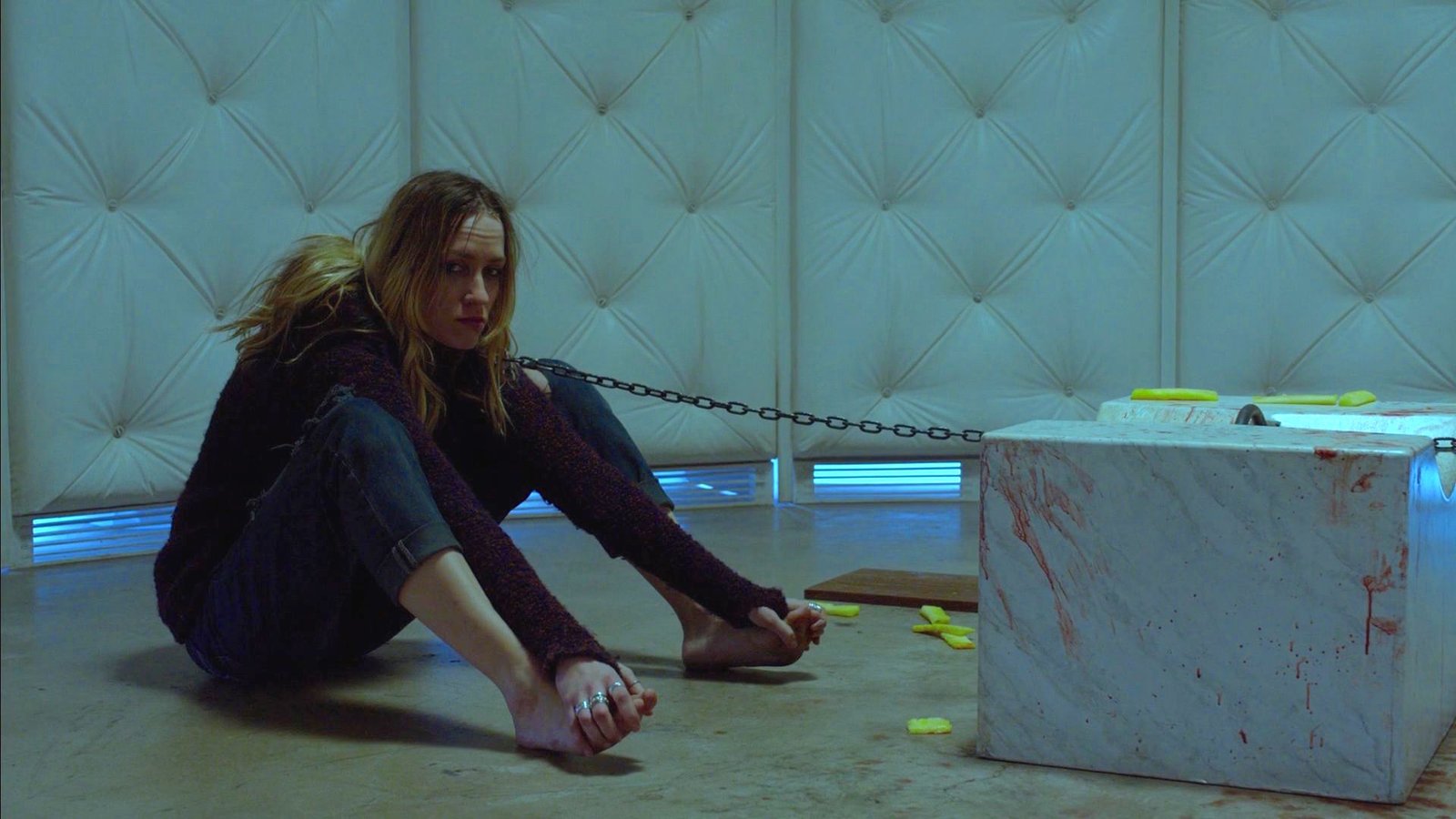
She is best known to mainstream audiences for her lead role in the American horror series The Strain, which premiered in 2014. She has also appeared in the fantasy drama His Dark Materials, based on Philip Pullman’s novels, and in the historical drama The Tudors, which ran from 2007 to 2010.
Beyond those titles, her career spans a range of film and television work, though the roles above are the ones most relevant to readers coming from a history or genealogy angle. Her birthplace and profession are confirmed by TV Guide, and her acting credits are documented on IMDb.
The Surname “Gedmintas” and Its Lithuanian Origins
If you searched “Gedmintas” on a genealogy platform and found references to this actress, you are not alone. The surname is Lithuanian in origin, and it shows up in documented lists of Lithuanian surnames.
MyHeritage, one of the major genealogy research platforms, notes that the surname “Gedmintas” has roots in Eastern European history — particularly within the Lithuanian context. It also appears in compiled lists of Lithuanian last names, confirming its ethnic and linguistic background.
This is useful framing for anyone doing family history research. If your own family tree includes the name Gedmintas, it almost certainly connects to Lithuanian heritage. However, sharing a surname does not mean sharing a direct family connection with anyone else who carries it. Surnames spread across communities, regions, and generations in ways that do not always link specific individuals.
Think of it this way: finding that an English actress shares your family surname tells you something about the name’s cultural origin, but it does not place her in your family tree.
Ruta Gedmintas as an English Person of Lithuanian Descent
Wikipedia lists Ruta Gedmintas under the category “English people of Lithuanian descent,” which indicates recognized Lithuanian ancestry on her part. She is one of a number of public figures in Britain who carry visible Lithuanian heritage through their surnames and documented backgrounds.
Lithuanian migration to the United Kingdom has a long and documented history. Waves of Lithuanian emigrants arrived in Britain across the twentieth century for various economic and political reasons. As a result, Lithuanian surnames like Gedmintas can be found in British records, British-born families, and now in British public life.
What is not confirmed in any publicly available source is the specific identity of a Lithuanian-born parent or grandparent in her family. Detailed family tree information simply is not available. Some Reddit users, after noticing Lithuanian-language chanting in His Dark Materials and connecting it to the actress, have speculated that she may have a Lithuanian father. That is viewer speculation, not a confirmed biographical fact, and should be treated as such.
What can be said with confidence is that her surname, her birthplace in England, and her Wikipedia heritage classification together point to a British-born person with Lithuanian family roots — a pattern common among second- or third-generation diaspora communities in the UK.
Her Role as Bessie Blount in The Tudors
One of the main reasons Ruta Gedmintas appears in Tudor history discussions is her portrayal of Elizabeth “Bessie” Blount in the historical drama The Tudors.
Bessie Blount was a real historical figure. She was an English noblewoman who served at the court of Henry VIII and became his mistress. What made her historically significant — and why genealogists still talk about her — is that she gave birth to Henry FitzRoy, the only illegitimate child that Henry VIII publicly acknowledged.
Henry FitzRoy’s existence mattered enormously in the Tudor political context. Henry VIII was desperately seeking a male heir, and for a time FitzRoy was considered a possible candidate in succession discussions. He was given titles and honors that reflected royal recognition, even though he could not legally inherit the throne as an illegitimate son. He died young in 1536, leaving no heirs of his own, but his story remains a significant thread in Tudor genealogy.
Tudor history enthusiasts who trace Henry VIII’s family often encounter Bessie Blount as part of that story. Some then search for the actress who portrayed her on screen, which is how Ruta Gedmintas ends up in history-focused search results.
It is worth being clear: Ruta Gedmintas has no biological connection to Bessie Blount, Henry FitzRoy, or the Tudor family. Her link to that history is entirely through her performance in a television drama. The portrayal placed her name into Tudor-related conversations, but she is an actress playing a historical role — nothing more.
The Lithuanian Language Connection in His Dark Materials
There is one more angle worth mentioning for readers who came across her name through His Dark Materials. A Reddit thread in the Lithuanian-language community noted that a witch character in the series was chanting in Lithuanian, and that the actress involved was Ruta Gedmintas.
This sparked discussion about her possible Lithuanian background, with some viewers speculating about a Lithuanian father based on her surname and her apparent connection to the language. The production’s choice to use Lithuanian in that scene drew attention precisely because the language is not commonly heard in mainstream British television.
Whether this reflects personal heritage, a casting decision, or simply a production choice is not confirmed in public sources. It is an interesting cultural footnote, but it should not be treated as biographical evidence without supporting documentation.
What This Means for Genealogy Researchers
If you are researching the Gedmintas surname and found references to this actress, here is a practical summary of what you can and cannot reasonably take from her public profile.
- The surname is genuinely Lithuanian in origin. This is confirmed by genealogy sources and Lithuanian surname records.
- She carries recognized Lithuanian ancestry. Her Wikipedia heritage classification supports this.
- She was born in England. This places her in the context of Lithuanian diaspora families in Britain.
- Sharing the surname does not indicate a direct family relationship. Surnames are shared across unrelated lines and communities.
- Detailed ancestry information is not publicly available. Her specific family history has not been documented in mainstream sources.
For anyone building a family tree that includes the Gedmintas name, this public profile can confirm the surname’s cultural origin and show that it appears in British records, but it cannot substitute for primary genealogical research into your own specific family line.
Resources likethebusinesssheet cover a wide range of topics that touch on public figures, cultural heritage, and background research — useful context when you are trying to understand the broader picture around a name or person.
Conclusion
Ruta Gedmintas is an English actress born in Canterbury, with Lithuanian ancestry reflected in both her surname and her Wikipedia heritage classification. She is best known for her lead role in The Strain, her appearance in His Dark Materials, and her portrayal of Bessie Blount in The Tudors.
Her surname connects to a documented Lithuanian origin, making her name relevant to anyone researching Eastern European diaspora families in Britain. Her Tudor role connects her to the historical story of Bessie Blount and Henry FitzRoy — though that connection is one of performance, not bloodline.
Beyond what sources confirm, detailed information about her private ancestry remains limited. What is available paints a clear enough picture: an English actress with Lithuanian roots, whose career has placed her name at the intersection of celebrity culture, Baltic heritage, and Tudor history.
Also Read: